
Capire NARS1: come il lievito può aiutare a svelare i misteri del disturbo NARS1
Quando si tratta di comprendere condizioni genetiche rare come il disturbo NARS1, ogni nuova ricerca ci avvicina di un passo alle risposte e, si spera, un giorno, ai trattamenti.
Uno studio recente di Laboratorio del professor Antony Antonellis’ diretto da Sheila Peeples ha fatto un entusiasmante passo avanti. Anche se potrebbe sembrare insolito, questo lavoro utilizza lievito (sì, lo stesso tipo usato in pasticceria!) per aiutare gli scienziati a comprendere in che modo i cambiamenti nel gene NARS1 influenzano l'organismo.
Perché studiare il lievito?
Potrebbe sembrare strano che qualcosa di così piccolo come il lievito possa insegnarci qualcosa sulla condizione umana. Ma in realtà il lievito condivide molte somiglianze con le nostre cellule e cresce rapidamente, il che lo rende ideale per studiare il funzionamento dei geni.
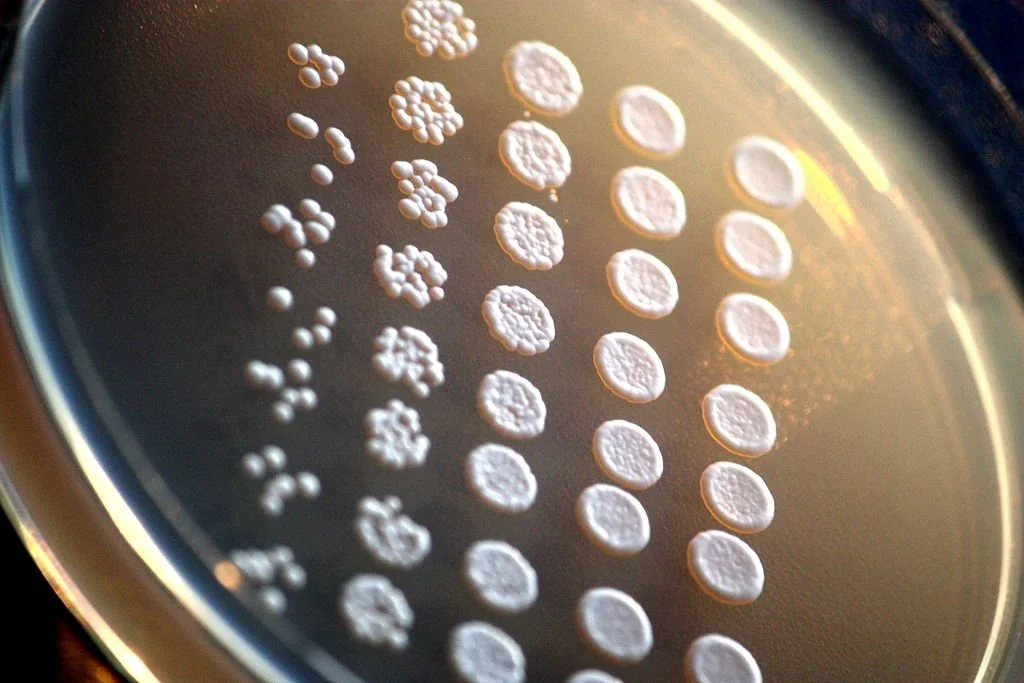
Inoculazione a goccia di mutanti di lievito di birra da laboratorio (Saccharomyces cerevisiae) su piastra di agar. Di Rainis Venta (Lavoro proprio) [CC BY-SA 3.0], tramite Wikimedia Commons
_agariplaadil..JPG)
In questo studio, i ricercatori volevano vedere cosa succede quando il gene NARS1 non funziona come dovrebbe. Il gene NARS1 produce una proteina essenziale per la vita. Nel lievito, come negli esseri umani, se questo gene viene rimosso, il lievito non può sopravvivere.
Tuttavia, gli scienziati possono “salvare” il lievito aggiungendo una versione umana del gene NARS1, consentendogli di vivere e crescere di nuovo. Questo approccio intelligente significa che possono scambiarsi in modo diverso varianti (o mutazioni) del gene umano NARS1 per vedere come ciascuna di esse influisce sulla capacità di sopravvivenza del lievito.
Se il lievito cresce normalmente, la variante non sembra causare danni. Ma se la crescita rallenta o si arresta, ciò suggerisce che la variante danneggia la funzione della proteina NARS1, qualcosa che gli scienziati chiamano a perdita di funzionalità.
Cosa ha esaminato la ricerca
Esistono diversi tipi di varianti di NARS1 che possono causare problemi di salute.
Alcune cause Disturbo NARS1, che possono influenzare lo sviluppo e il cervello. Altri causano una condizione diversa chiamata Malattia di Charcot-Marie-Tooth (CMT), che tende a colpire i nervi delle mani e dei piedi, provocando debolezza muscolare, piedi con arco plantare elevato e riduzione della sensibilità.
Sebbene entrambe le condizioni siano causate da varianti dello stesso gene, i sintomi e la loro gravità sono molto diversi.
In questo studio, il team ha confrontato diverse varianti di NARS1, comprese quelle legate sia al disturbo NARS1 che alla CMT, per comprendere in che modo ciascuna di esse influisce sull'attività del gene.
Cosa ha scoperto la ricerca
I risultati sono stati chiari e in linea con le ricerche precedenti:
Perdita di funzione (LOF): Sei delle sette varianti testate (sia NARS1 Disorder che CMT) hanno causato difficoltà e scarsa crescita del lievito. Ciò ha confermato che le varianti causano un perdita di attività NARS1.
Effetto dominante-negativo: Quando i ricercatori hanno abbinato un sano NARS1 copia con una copia mutata, il gene sano non poteva compensare. La copia mutata era dominante, il che significa che ha interferito attivamente con la proteina sana NARS1. Questo è ciò che gli scienziati chiamano a effetto dominante negativo.
La gravità è importante: Fondamentalmente, le varianti che causano il disturbo NARS1 avevano un maggiore Effetto negativo (tossico) sul lievito rispetto alle varianti che causano la CMT. Ciò suggerisce un collegamento diretto: maggiore è la perdita di attività di NARS1, più grave è l’esito della malattia.
Perché questa ricerca è importante per le famiglie NARS1?
Questo studio rappresenta un enorme passo avanti nel Cura E Modifica ci impegniamo per.
1. Abbiamo una base più forte: La scienza diventa più forte quando laboratori diversi trovano gli stessi risultati utilizzando modelli diversi. Questa ricerca conferma quanto suggerito da uno studio precedente: ora disponiamo di prove indipendenti e consolidate del meccanismo del disturbo NARS1. Questa solida base è fondamentale quando ci avviciniamo all'avvio delle sperimentazioni cliniche.
2. Abbiamo un nuovo strumento per testare i trattamenti: Il lievito è un modello altamente efficace per i test antidroga, gli scienziati lo chiamano "farmacibile" Poiché i ricercatori sono riusciti a riprodurre con successo la gravità della malattia nel lievito, ora dispongono di un modello rapido e accessibile, pronto a testare potenziali farmaci, come l'asparagina. Questo modello ci avvicina alla ricerca di un percorso terapeutico prima di investire in modelli più complessi e costosi.
Cosa succede dopo?
Questo studio costituisce la base mirata per la prossima ondata di scoperte. Il modello del laboratorio Antonellis è ora un potente punto di partenza.
I nostri prossimi passi, insieme ai nostri partner di ricerca, sono:
Tradurre questi risultati in modelli più complessi, tra cui linee cellulari umane e, infine, organismi interi come i topi.
Testare potenziali terapie, per vedere se è possibile ripristinare la funzione di NARS1 e invertire l'effetto dominante negativo.
Sosteniamo la ricerca che crea questa tabella di marcia dal laboratorio ai trattamenti. Ogni famiglia che sostiene la nostra missione contribuisce a costruire questa tabella di marcia.